How to Start an Adult Residential Facility (ARF)
A complete walkthrough of starting an Adult Residential Facility — from licensing and property to staffing and your first residents.

Table of Contents
This Guide Covers
Explore the supporting articles in this series:
- How Much Does It Cost to Start a Care Home?
- ARF Licensing Requirements Explained
- How to Find a Property for a Residential Care Facility
- How to Hire ARF Staff: Recruiting & Retaining Caregivers
- How to Market a Care Home: The Complete Guide
- How to Create a Care Home Website That Converts
- How to Get Clients for Your Care Home
Starting an Adult Residential Facility (ARF) is one of the most rewarding ways to serve adults with disabilities while building a sustainable care business. This pillar guide walks you through every stage of launching an ARF.
id="heading-0"What Is an Adult Residential Facility?
An ARF is a licensed residential care setting for adults aged 18–59 with developmental, physical, or mental disabilities. Facilities range from small homes serving a handful of residents to larger congregate settings.
id="heading-1"Step 1: Understand Your State's Licensing Requirements
ARFs are regulated at the state level. In California, the Department of Social Services Community Care Licensing Division (CCLD) oversees licensing. You'll need to complete orientation, training, and a thorough application.
id="heading-2"Common licensing prerequisites
- Completed application and fees
- Background clearances for all staff and household members
- Fire clearance and safety inspection
- Approved program design and policies
id="heading-3"Step 2: Choose and Prepare Your Property
Your facility must meet zoning, accessibility, and safety requirements. Work with a local planner early to confirm your property can be licensed for the capacity you want.
id="heading-4"Step 3: Build Your Care Team
Hire qualified staff who meet training and clearance requirements. Document orientation and ongoing training carefully — inspectors will review these records.
id="heading-5"Step 4: Develop Policies and Procedures
Comprehensive policies protect your residents and your license. Cover admission, care planning, medication, emergencies, and resident rights.
id="heading-6"Step 5: Market and Fill Your Beds
Build referral relationships with regional centers, social workers, and hospitals. A professional website and strong local SEO help families find you.
Licensing requirements and regulations may change. Always verify current requirements with the appropriate state or local licensing authority.
id="heading-7"Next Steps
Use the Care Home Startup Wizard to build your personalized launch plan, then explore our ARF resources below.
Disclaimer: Licensing requirements and regulations may change. Always verify current requirements with the appropriate state or local licensing authority. This content is for educational purposes and is not legal advice.
Ready for Your Next Step?
Related Articles
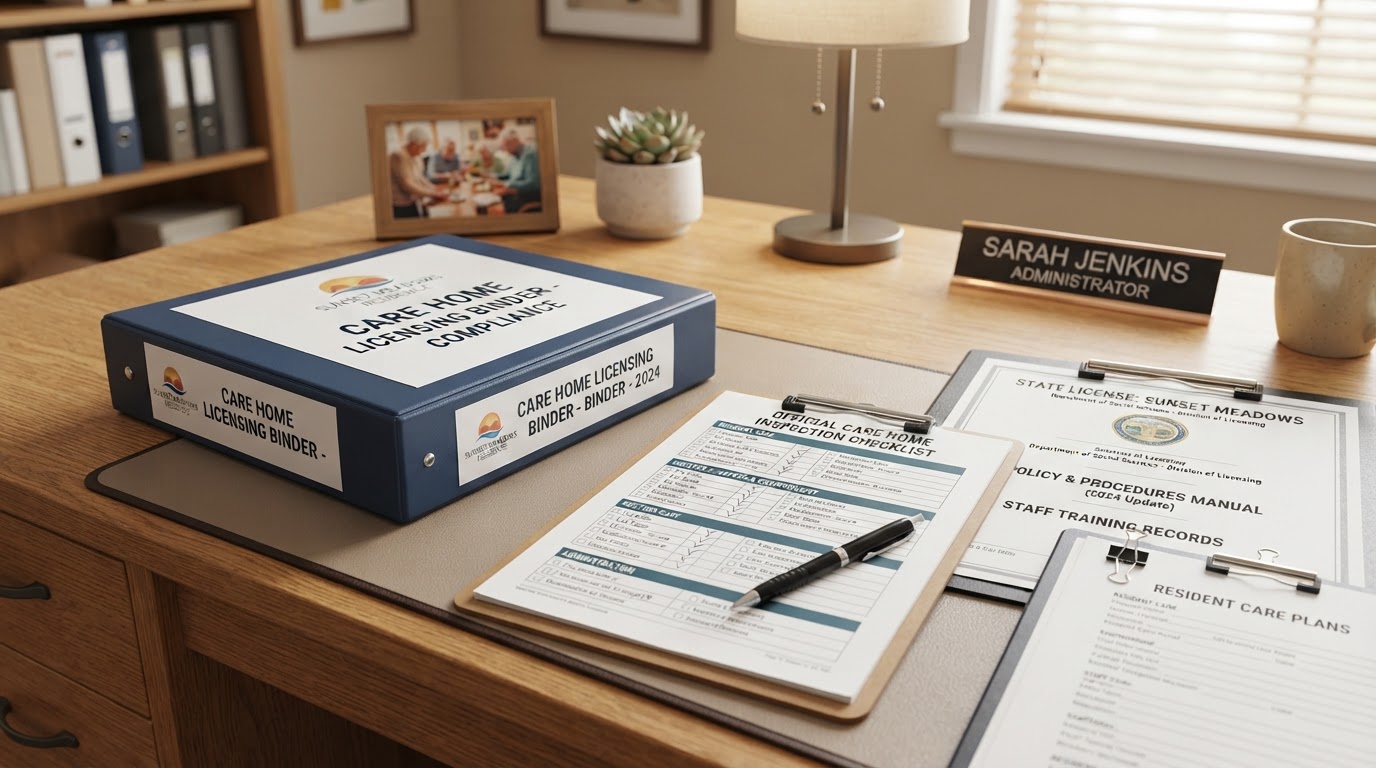
ARF Licensing Requirements Explained
Application, training, clearances, and inspections — what you need to get and keep your ARF license.

How Much Does It Cost to Start a Care Home?
A realistic breakdown of care-home startup costs — licensing, property, renovations, staffing, insurance, and working capital.

How to Find a Property for a Residential Care Facility
Zoning, layout, accessibility, and licensing considerations when choosing a property for your residential care facility.
How to Start an RCFE in California
Open a Residential Care Facility for the Elderly in California — licensing, the RCFE certification, property, and staffing explained.
Get Care Business Tips in Your Inbox
Receive licensing tips, marketing ideas, business resources, and new care-home guides.
We respect your privacy. Unsubscribe anytime.